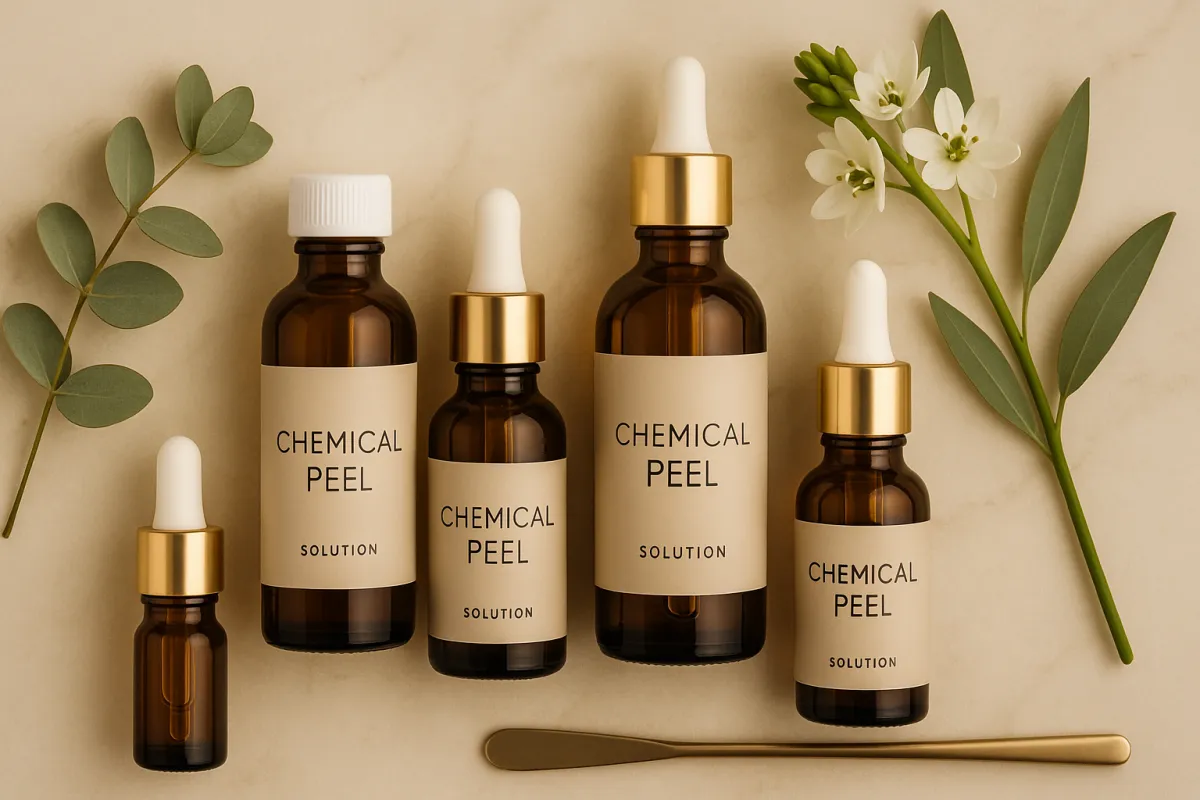
Chemical Peels Explained: Which Type Is Best for Your Skin?
Chemical peels are one of the most versatile and effective skincare treatments available — but with so many types and strengths, knowing which one is right for you requires expert guidance. Here's everything you need to know.
What Is a Chemical Peel?
A chemical peel uses medical-grade acids to dissolve and remove the outermost layers of skin, triggering accelerated cell renewal and revealing fresher, more even-toned skin beneath. Depending on the depth of the peel, results can range from a subtle glow to dramatic skin transformation.
The Three Categories of Chemical Peels
Superficial (Light) Peels
Light peels use gentle acids (like alpha-hydroxy acids or low-concentration salicylic acid) to exfoliate only the outermost layer of skin. They require zero to minimal downtime, can be done as frequently as monthly, and are ideal for maintaining brightness, smoothing texture, and managing mild acne or congestion.
Medium Peels
Medium-depth peels (often using TCA — trichloroacetic acid) penetrate into the upper dermis, producing more significant results for pigmentation, fine lines, and mild scarring. Expect 5 to 10 days of peeling and temporary redness. Results are considerably more impactful than superficial peels.
Deep Peels
Deep peels (using phenol) address significant wrinkles, severe pigmentation, and sun damage. They require a longer recovery period and medical oversight, but deliver transformative, long-lasting results. A single deep peel can produce outcomes comparable to laser resurfacing.
Which Peel Is Right for You?
The right peel depends on your skin type, concerns, skin tone, and tolerance for downtime. Key considerations:
- Sensitive or darker skin tones require a more conservative approach to minimize reactivity and PIH risk
- Active acne benefits most from salicylic acid peels
- Pigmentation and sun damage respond well to TCA or glycolic acid peels
- Fine lines and texture improvement can be achieved with a series of medium peels
What to Expect After a Peel
Light peeling or flaking is a normal part of the process — it signals that skin renewal is underway. Protect your investment with gentle skincare, daily SPF, and by avoiding picking or peeling skin manually.
Not sure which peel is right for your skin? Book a consultation and we'll find the perfect match.