Laser Skin Resurfacing: Ablative vs. Non-Ablative — What's the Difference?
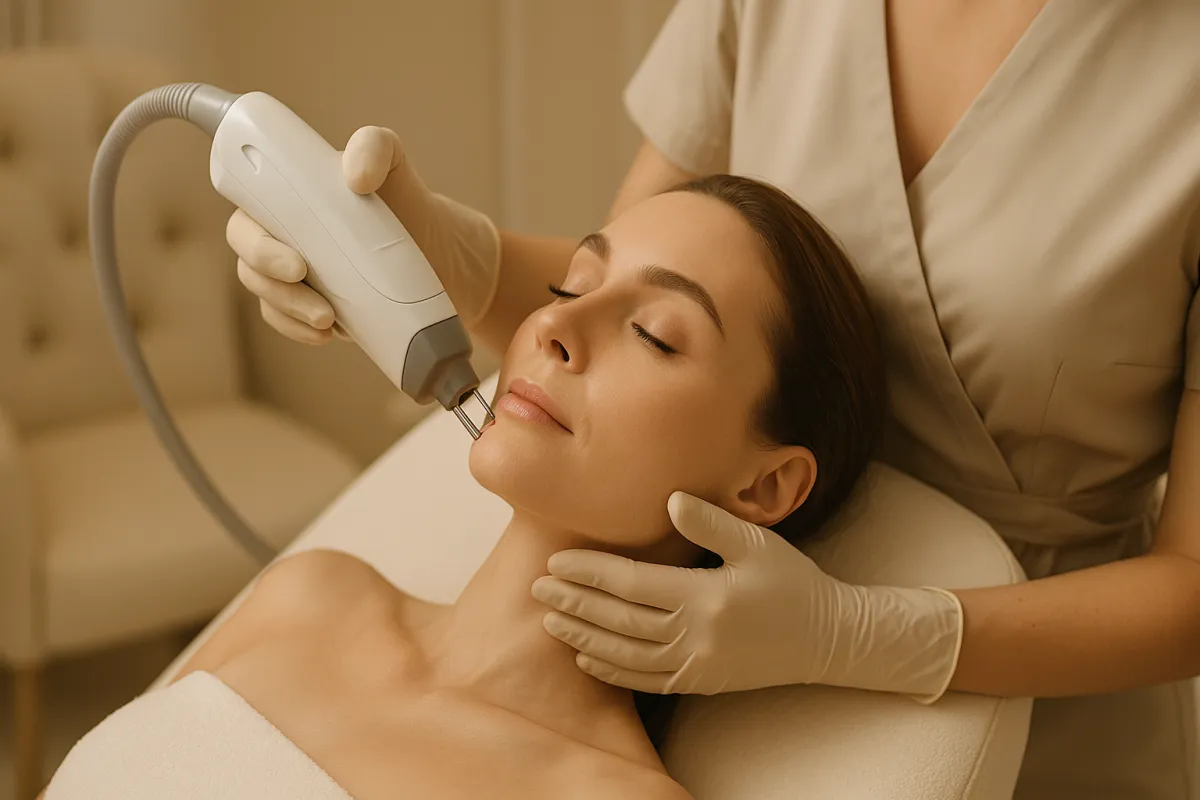
Laser skin resurfacing encompasses two distinct categories: ablative and non-ablative. Understanding the difference is essential for choosing the right treatment.
Ablative Laser Resurfacing
Ablative lasers (CO2 and Erbium) physically remove the outermost skin layers. This controlled wound triggers a powerful healing response producing new collagen and fresh skin beneath. Ablative resurfacing delivers the most dramatic results but requires significant downtime (7 to 14 days) and strict sun avoidance. Best for moderate-to-deep wrinkles, significant texture irregularities, acne scarring, and clients willing to accept recovery time.
Non-Ablative Laser Resurfacing
Non-ablative lasers deliver heat energy to the deeper dermis without removing surface skin. This stimulates collagen remodeling while preserving the outer skin. Downtime is minimal (1 to 3 days of mild redness) but results require multiple sessions. Best for fine lines, mild-to-moderate concerns, and clients who cannot afford significant downtime.
Fractional Technology
Both types are now available in fractional form — treating a fraction of skin at a time, leaving surrounding tissue intact. This significantly reduces recovery time while still delivering meaningful results.
Which Is Right for You?
The right choice depends on the severity of your concerns, skin tone, tolerance for downtime, and goals. Your provider will recommend the most appropriate technology during a comprehensive consultation.
Ready to resurface and renew? Book your laser consultation today.