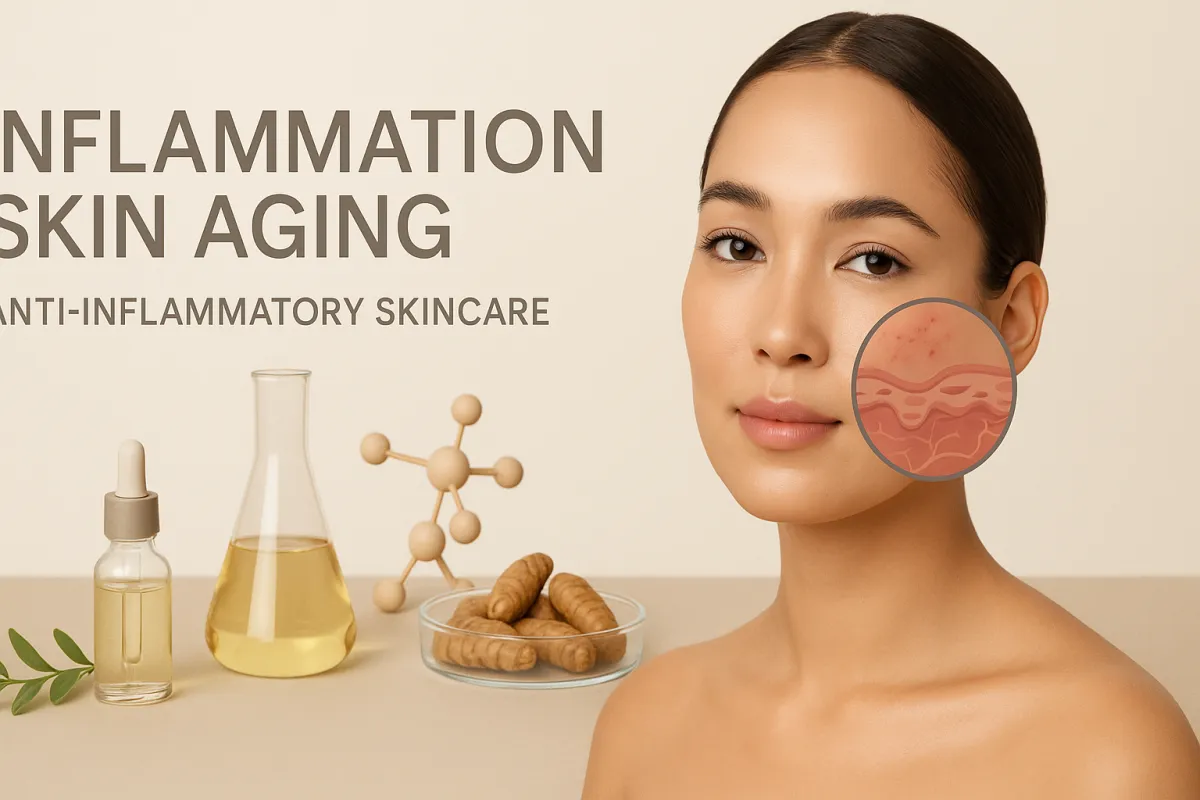
The Role of Inflammation in Skin Aging (And What You Can Do About It)
Scientists have coined the term "inflammaging" to describe the chronic, low-grade inflammation that accumulates with age and is now recognized as a primary driver of many aging processes — including skin aging. Understanding the role of inflammation in your skin opens up powerful new strategies for anti-aging care.
What Is Inflammaging?
Inflammaging refers to the chronic, systemic, low-level inflammation that increases with age. Unlike acute inflammation (which heals wounds and fights infection), inflammaging is sustained and sub-clinical — meaning you don't feel it, but it silently damages cells and accelerates aging throughout the body, including the skin.
How Inflammation Ages the Skin
- Collagen breakdown: Inflammatory cytokines activate MMPs (matrix metalloproteinases) that break down collagen and elastin
- Impaired skin barrier: Chronic inflammation disrupts the production of ceramides and other lipids that maintain barrier integrity
- Hyperpigmentation: Inflammatory signals trigger excess melanin production
- Accelerated cellular aging: Chronic inflammation damages telomeres, accelerating cellular senescence
- Skin sensitivity and reactivity: An inflamed skin environment is more reactive to external triggers
Common Sources of Skin Inflammation
- UV radiation (the most significant external source)
- High-glycemic diet and excess sugar
- Alcohol and cigarette smoke
- Harsh skincare products that disrupt the barrier
- Chronic psychological stress (elevated cortisol)
- Pollution and environmental toxins
- Sleep deprivation
Anti-Inflammatory Skincare Strategies
- SPF daily: UV-induced inflammation is the largest preventable source of skin inflammaging
- Niacinamide: One of the most effective topical anti-inflammatory ingredients available
- Centella asiatica (Cica): Powerful anti-inflammatory botanical increasingly used in barrier-repair formulations
- Azelaic acid: Anti-inflammatory, antibacterial, and anti-pigmentation — excellent for acne and rosacea-prone skin
- LED red light therapy: Clinical evidence demonstrates significant anti-inflammatory and collagen-stimulating effects
Want a skincare plan that addresses inflammation at its source? Book a consultation with our team today.