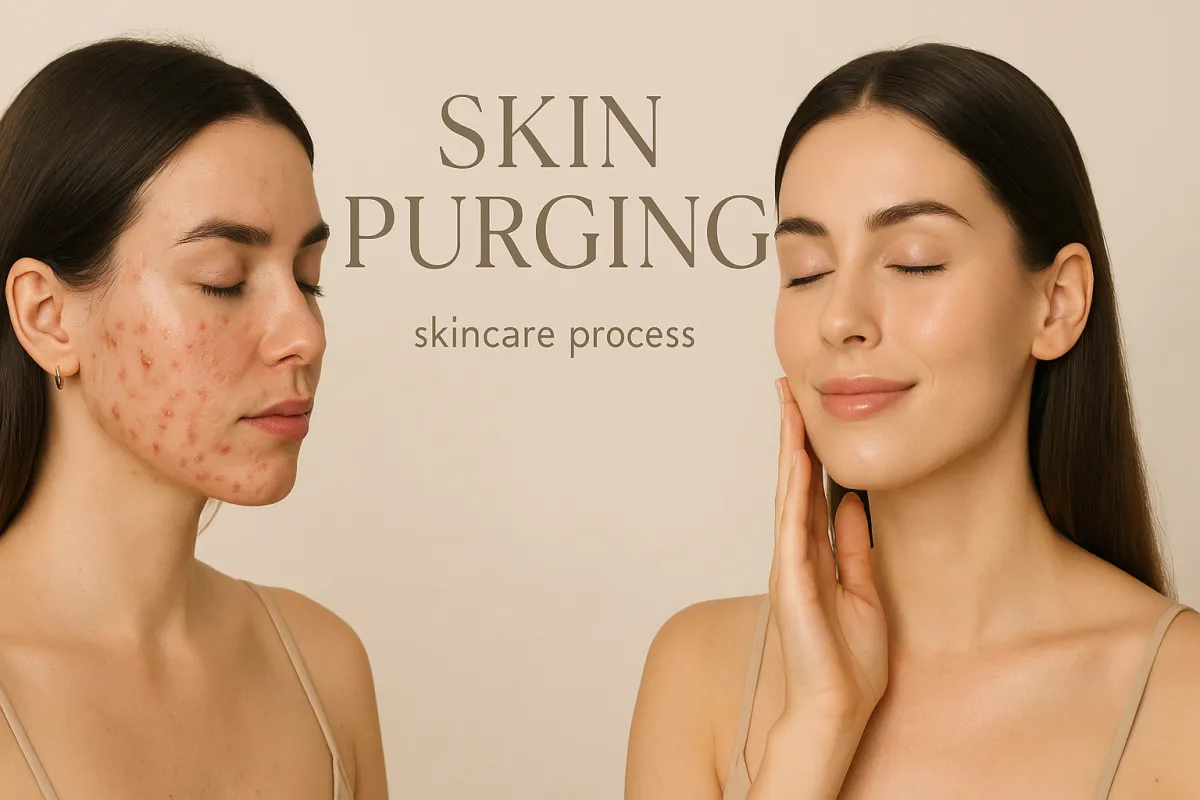
Why Your Skin Looks Worse Before It Gets Better (And When to Worry)
One of the most discouraging experiences in skincare is starting a new treatment or product — and having your skin initially look worse. Before abandoning something that might ultimately transform your skin, it's important to understand the difference between normal adjustment processes and genuine problems.
The Retinoid Purge
This is the most commonly experienced "worse before better" phenomenon. When you start a retinoid (retinol, tretinoin), the accelerated cell turnover it induces brings congested pores and microcomedones to the surface faster than they would naturally clear. The result is a temporary increase in breakouts and skin texture during the first 4 to 8 weeks of use.
What's normal: Increased breakouts, flaking, dryness, and mild redness during the first 4 to 8 weeks
What's not normal: Severe burning, significant raw patches, cystic acne that wasn't present before, or symptoms that don't improve after 8 weeks
Chemical Peel Peeling Phase
After a chemical peel, visible peeling, flaking, and temporary redness are part of the normal healing process. Skin may look rough and patchy before the new, fresh skin is fully revealed — typically over 5 to 10 days depending on peel depth.
What's normal: Peeling, flaking, mild tightness, and temporary redness
What's not normal: Significant swelling, blistering, severe pain, or infected-appearing skin
Post-Laser Healing
After laser treatments, redness, mild swelling, and bronzing (darkening before shedding) are normal parts of the healing process. Skin will look rough and uneven before it reveals the improved complexion beneath.
The New Product Adjustment Period
Some actives (particularly Vitamin C, acids, and retinoids) cause a brief adjustment period of increased sensitivity or minor breakouts when first introduced. This typically resolves within 2 to 4 weeks as the skin adapts.
How to Know When to Stop
Contact your provider immediately if you experience: severe burning or stinging, significant swelling, blistering, signs of infection, or if a reaction has not improved after the expected timeframe for normal adjustment. Most reactions are temporary — but professional guidance ensures you're on the right track.
Questions about what you're experiencing with a current treatment or product? Our team is always here. Book a follow-up consultation today.